Love the Lesch BioWatch
Discover nature. Share your observations. Help protect our estuary.
Have you ever wondered what plants, animals, fungi and other amazing organisms call the Leschenault Estuary home? Love the Lesch BioWatch is a community citizen science project that invites you to explore the natural world around you and help build our understanding of the incredible biodiversity found in and around the estuary.
Using the free iNaturalist app, you can photograph and record the organisms you encounter, from familiar wildflowers and fascinating fungi to birds, insects and other wildlife. Every observation contributes to a growing collection of biodiversity records, helping us learn more about which species live in our local environment and where they can be found.
By bringing together observations from our local community, Love the Lesch BioWatch aims to support a better understanding of the estuary's biodiversity and provide valuable information that can help land managers, researchers and the wider community care for our unique natural environment.
Every observation counts and you never know what you might discover!
How can you get involved?
Step 1: Create an iNaturalist account and download the app on your phone

Step 3: Start making observations!
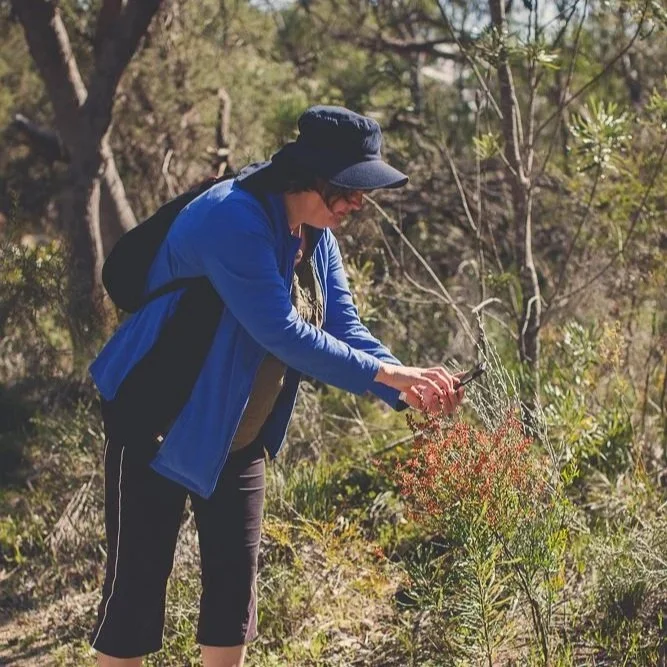
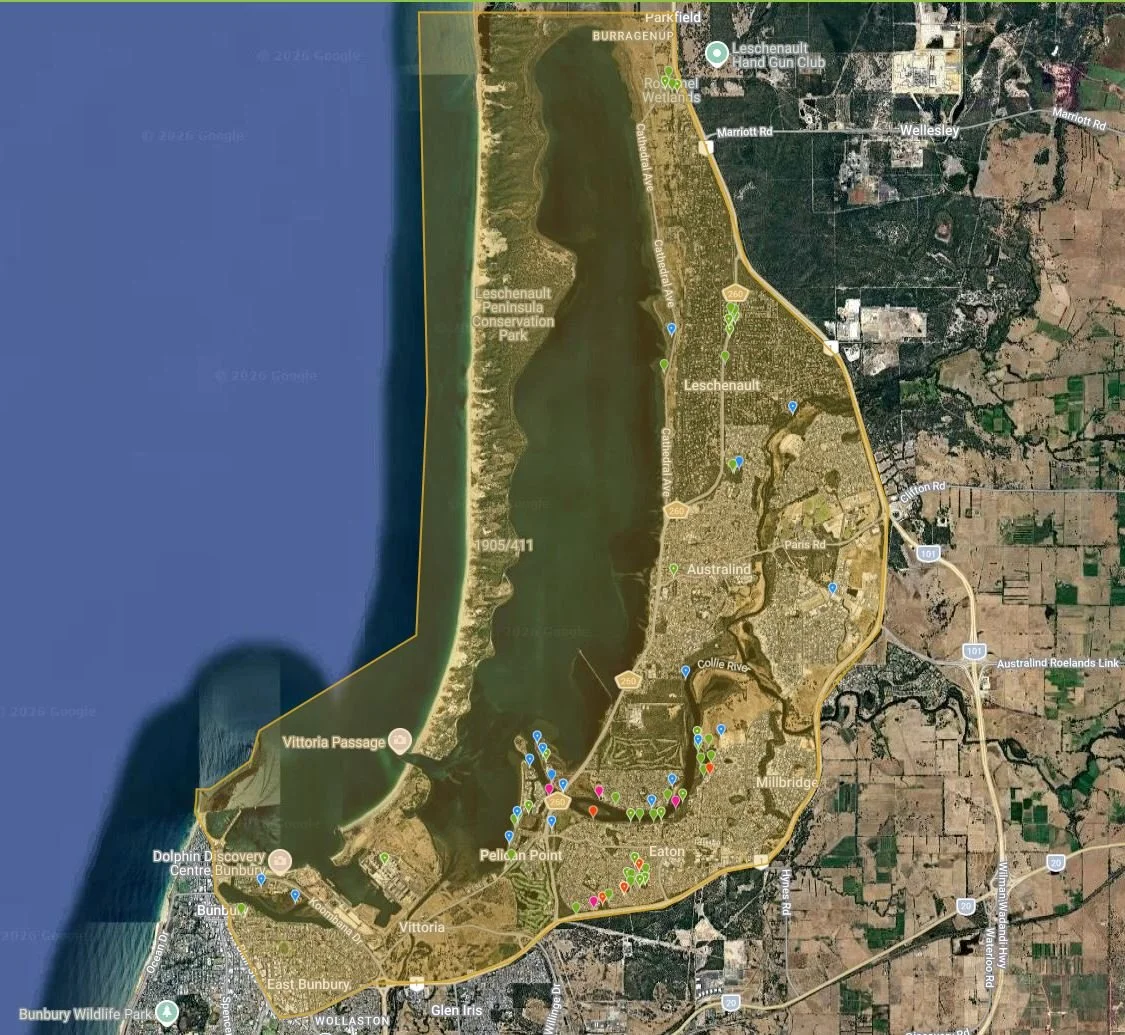
Once you have joined the project all observations you make within the project area (indicated in the map above), will be included in the project. It really is that simple!
You will have access to monthly journal posts summarising findings over the month, notifications of mini BioBlitz events being run as part of the project, and you will be able to partake to competitions to win Love the Lesch prize packs.
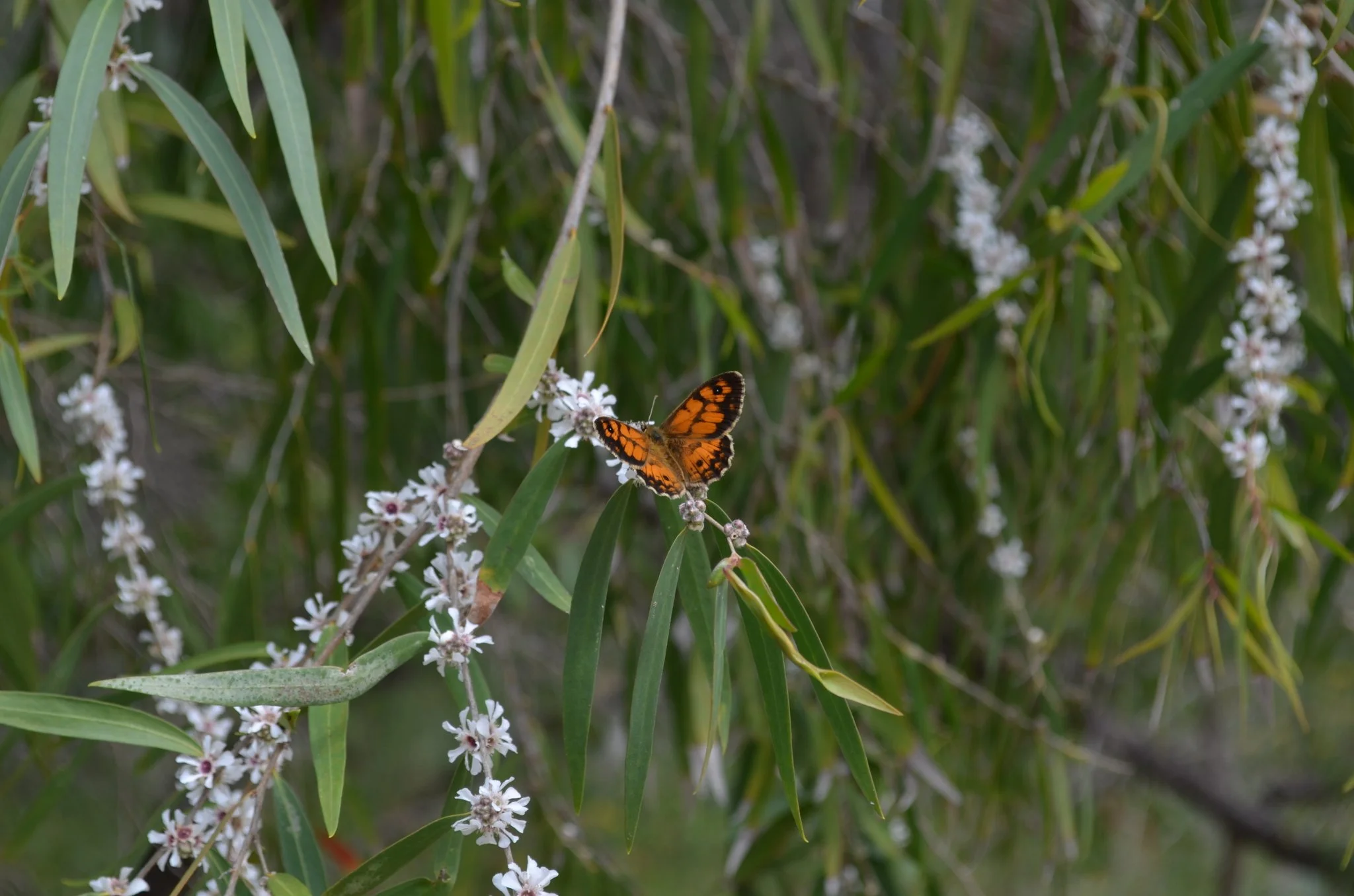
Western Xenica, Geitoneura minyas, credit Rachel Allan.
Helpful Hints
-
When joining the Love the Lesch – BioWatch project, we encourage you to select the box to trust the project with your observations. Only Admins of the project will be able to see the locations of observations that you obscure or become obscured (in the case of rare/threatened organisms) within the project. If you choose to not trust the project with your observations, any observations that are obscured cannot be included in the project.
-
This project focuses on understanding wild organisms, this includes native and non-native species, but not captive or cultivated specimens. If a person did, or could have put it there (i.e. pets, plants you planted in a garden, animals in a zoo, plants in a landscaped community garden), then it is considered captive or cultivated, and should be marked as such in the annotations when you make the observation so that it will not be included in the project.
-
“Love the Lesch – BioWatch” is our main working project, and the one we encourage you to join! When you join, your observations made within the project's boundary can be included in the project data. One of the key benefits of joining this project is that you can choose to trust the project. This means that observations with obscured locations (for example, because a species is rare or threatened, or because the observer has chosen to obscure the location) can still be viewed by project administrators and included in our project data, without revealing the location to other project members or iNaturalist users.
“BioWatch – Noongar Seasons of the Leschenault Estuary” This umbrella project will help us to explore trends in observations throughout each of the six Noongar seasons: Birak, Bunuru, Djeran, Makuru, Djilba and Kambarang. Findings will be shared in the monthly Love the Lesch – BioWatch project journals. Unlike the main project, you do not need to join this umbrella project to contribute observations. It automatically collects eligible observations made by any iNaturalist user within its project boundary. However, the umbrella project cannot include observations with obscured locations – we do the adding of these later. This is another reason why we encourage you to join the main Love the Lesch – BioWatch project, where these observations can still contribute to our understanding of local biodiversity.
Join Love the Lesch - BioWatch and help us uncover the wonders of our local natural world, one observation at a time.
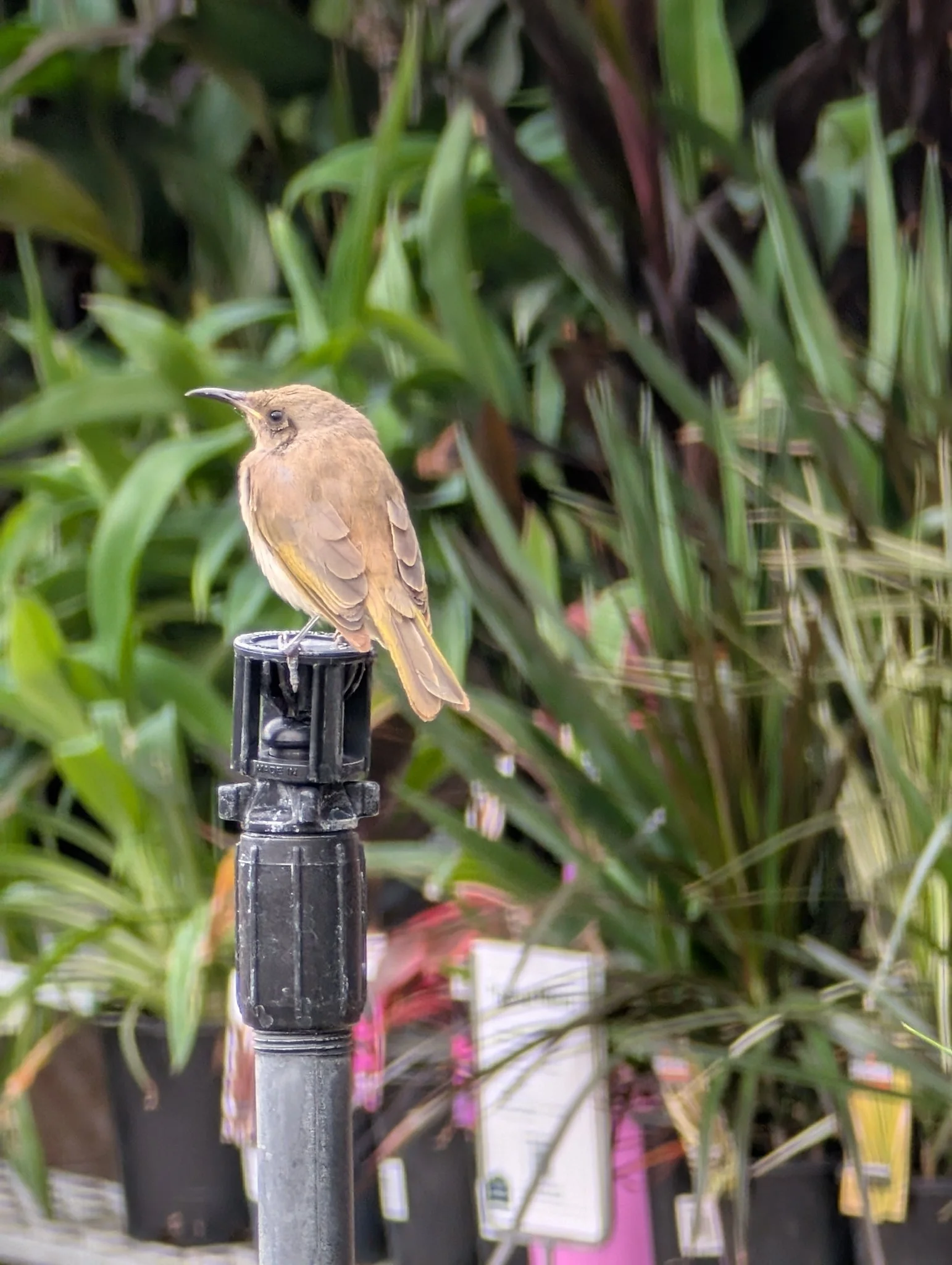
Lichmera indistincta, Brown honey eater, credit Scott Bazely
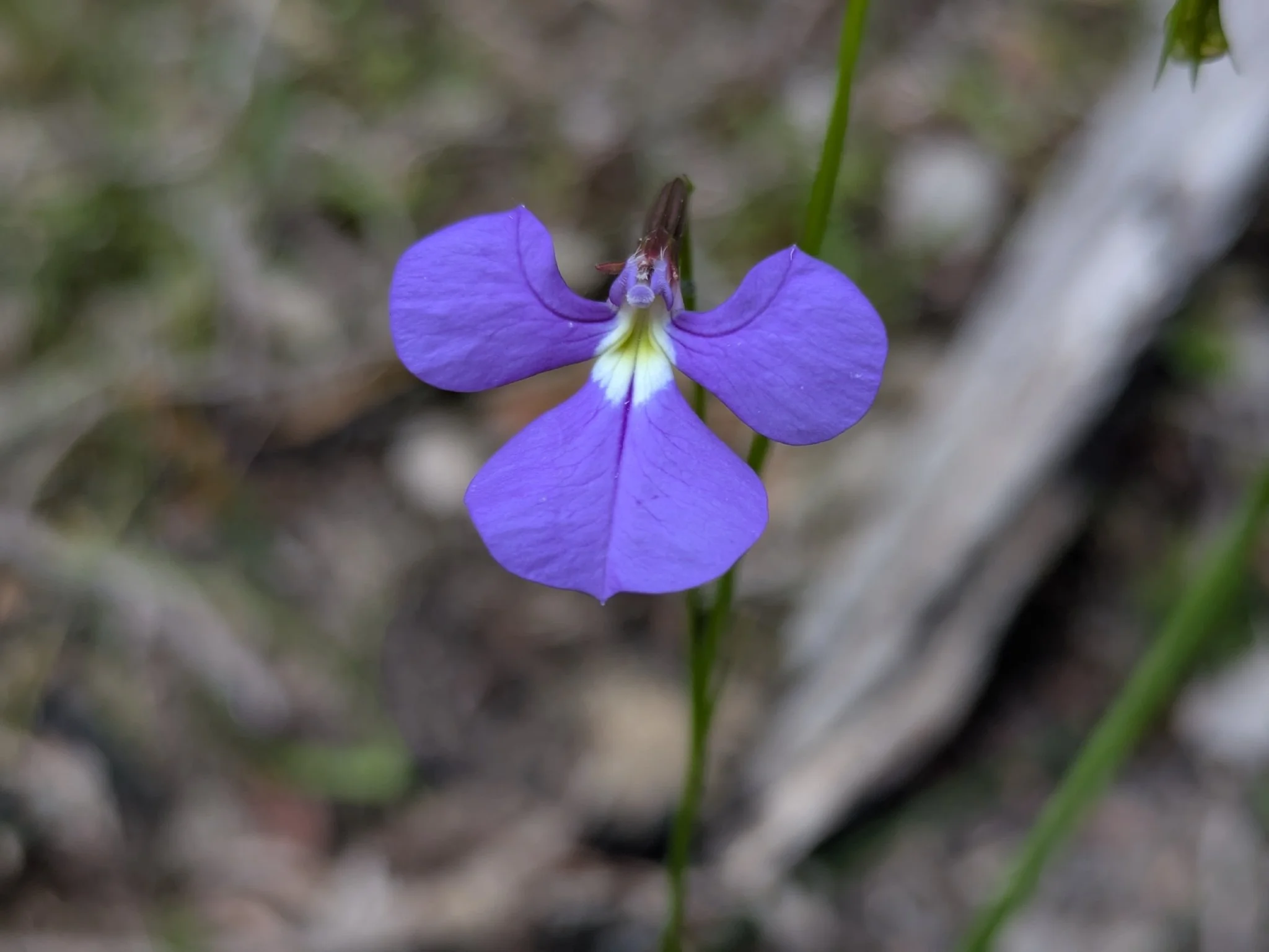
Slender Lobelia, Lobelia tenuior, credit Rachel Allan
This project is made possible by a Lotterywest grant, and Water Corporation.